
REMEMBRANCE FOR THE FUTURE: YOUNG SERBS IN NORWAY FOLLOW THE TRAIL OF THE “BLOOD ROAD”
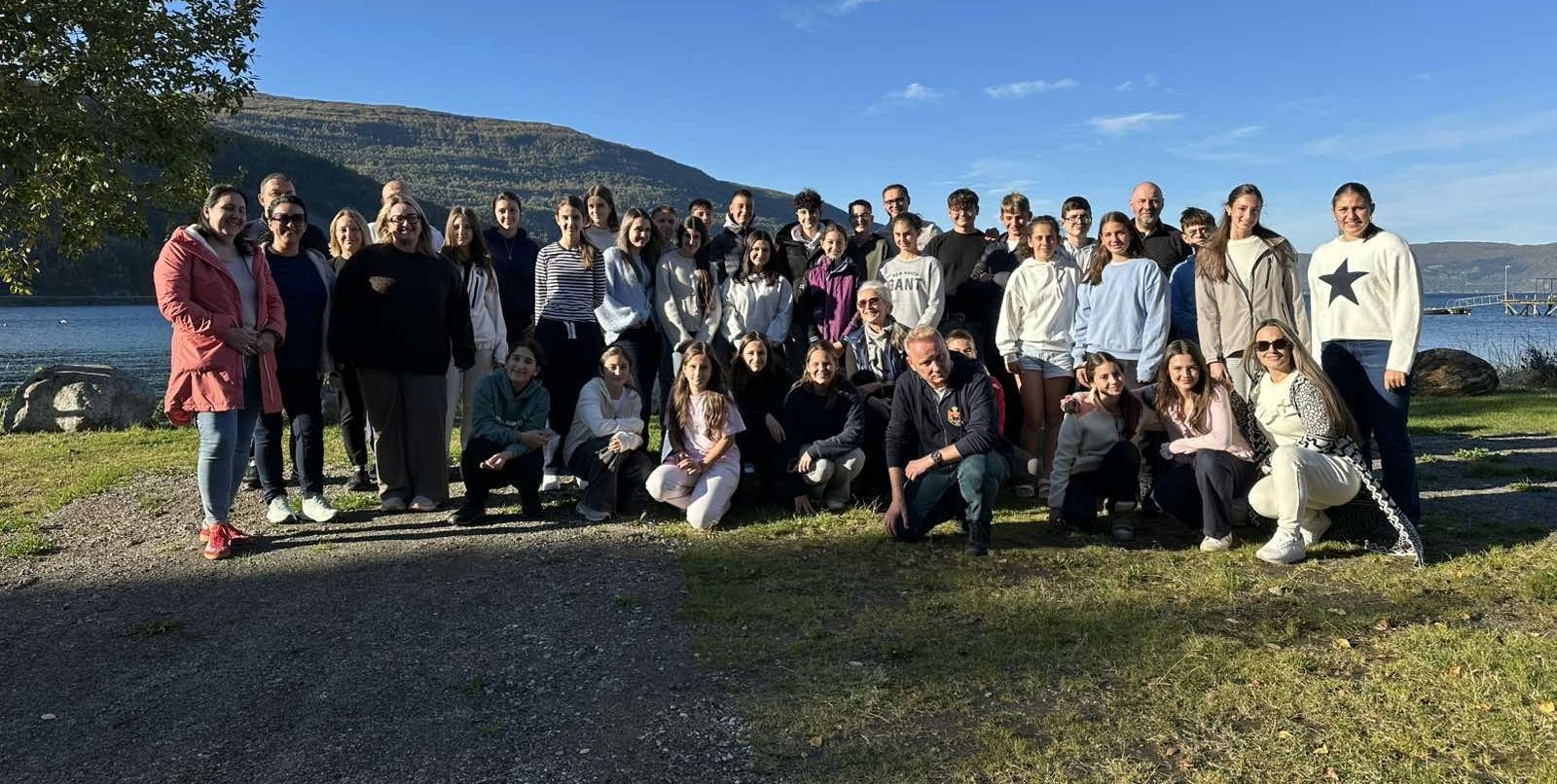
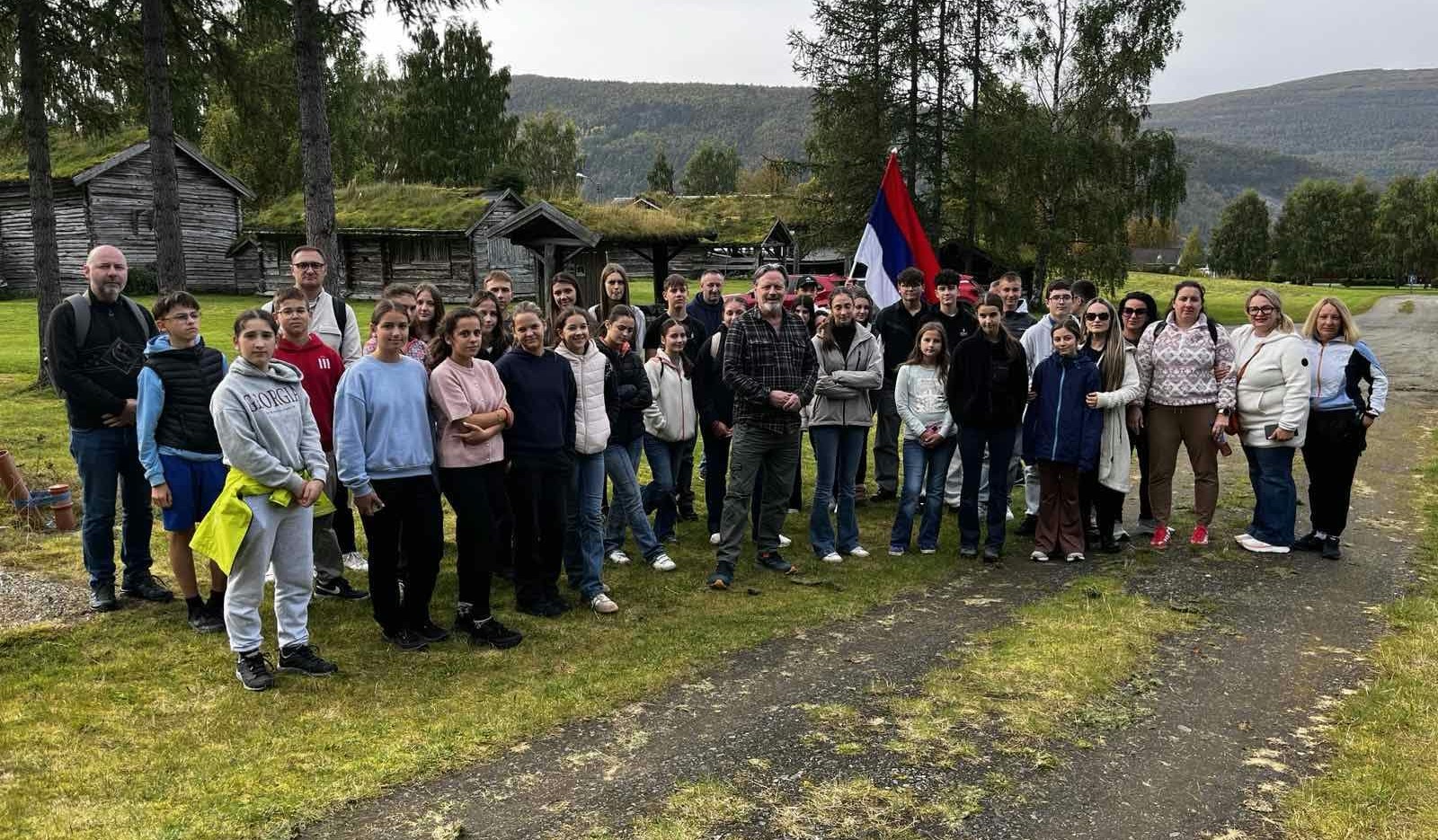
Thirty-one pairs of young eyes, the silence of northern Norway and the verses of Tamo daleko outside the memorial cemetery at Botn. More than eight decades after Serbian internees suffered and died there, a new generation of Serbs in Norway came to learn, remember and carry their story forward.
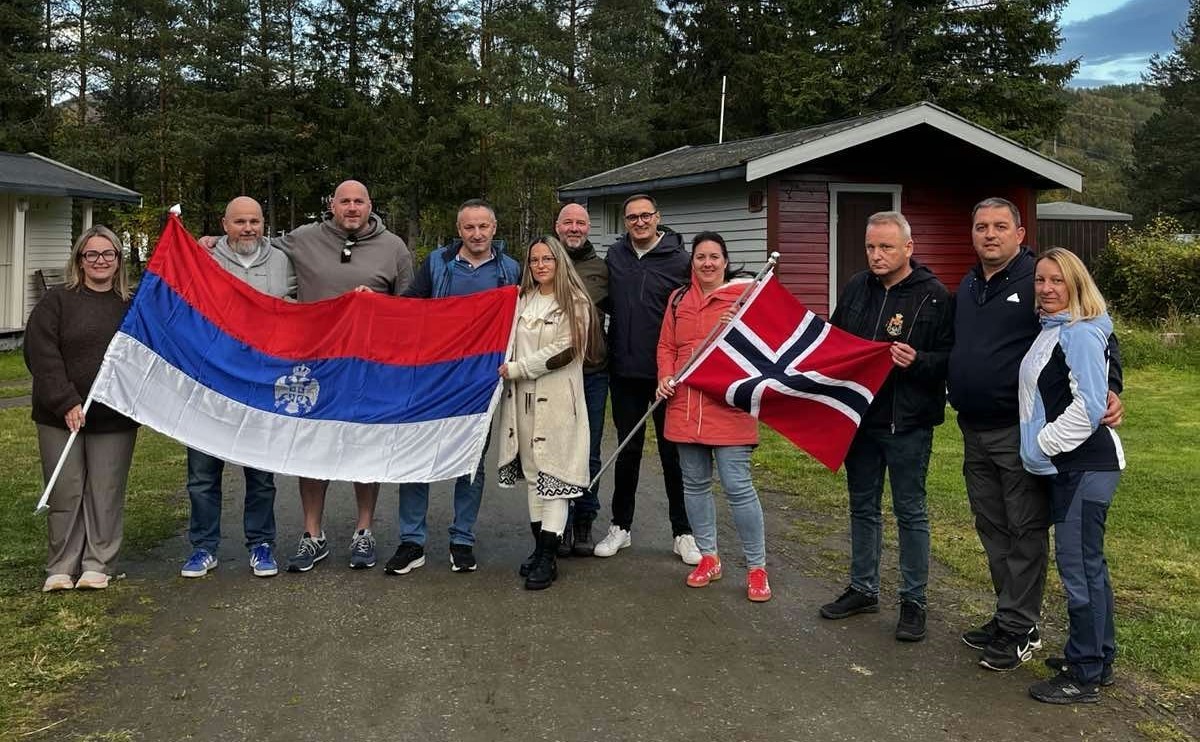
The project Remembrance for the Future, led by the Federation of Serbian Associations in Norway, brought together young people from Serbian associations and Serbian-language supplementary schools for a three-day programme in the north of Norway. This was more than a study trip through history: it was a generation’s encounter with its own heritage.
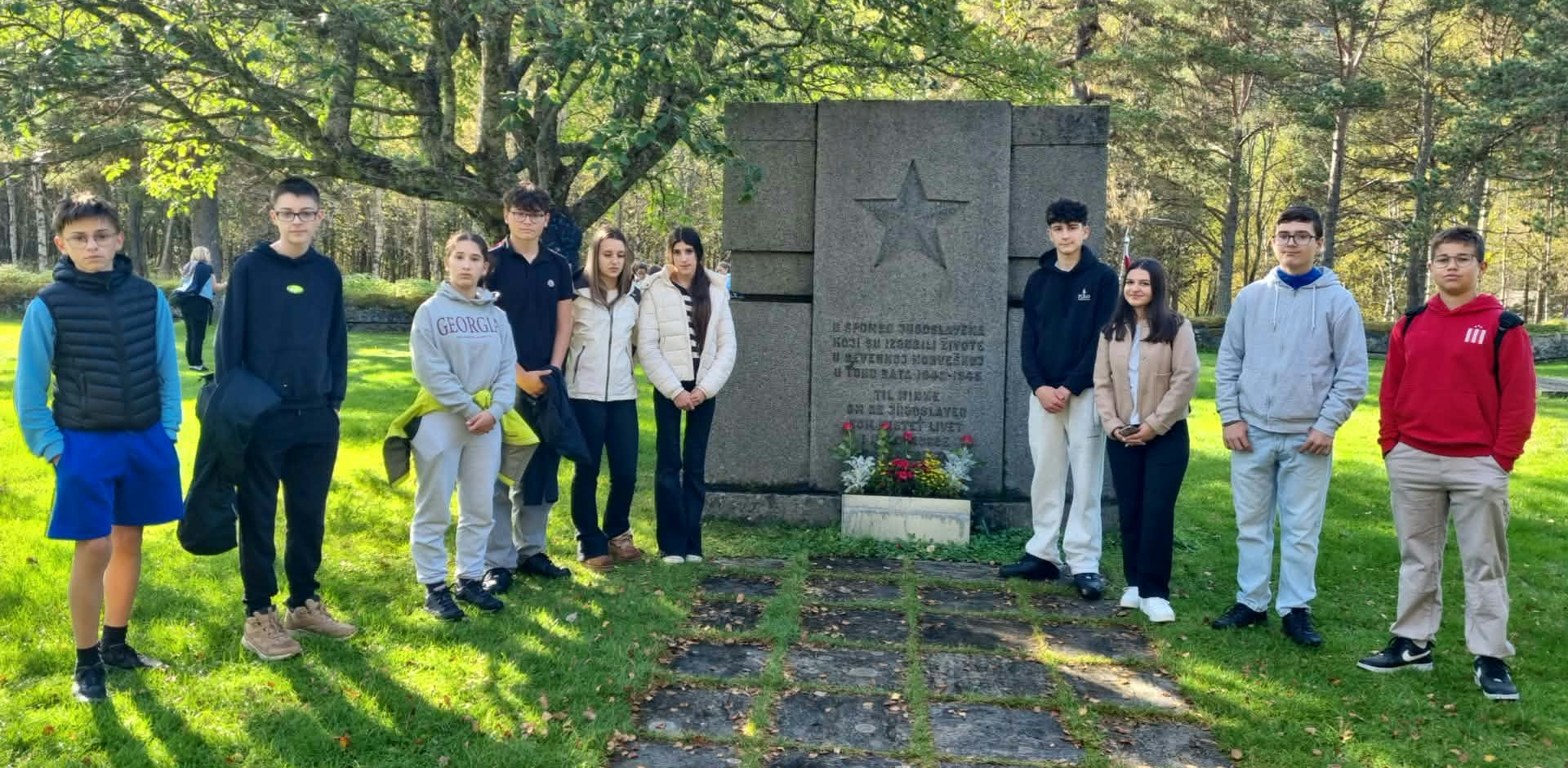
Through workshops, lectures and visits to former camps and sections of the “Blood Road” in Saltdal, the young people learned what their compatriots endured when they were forcibly deported to occupied Norway during the Second World War. Historians and conservators from the Nordland Museum, Ulf Bakke and Ronald Nystad Rusaanes, together with Norwegian historian and author Knut Flovik Thoresen of the Blood Road Foundation, brought the past to life at the very places where these events unfolded.
“We had no idea it was so brutal.” “They died as heroes.” “I’ll tell my grandmother.” These were some of the young people’s reactions. Perhaps these words best capture the project’s purpose: history ceases to be just a lesson when it becomes part of one’s personal memory.
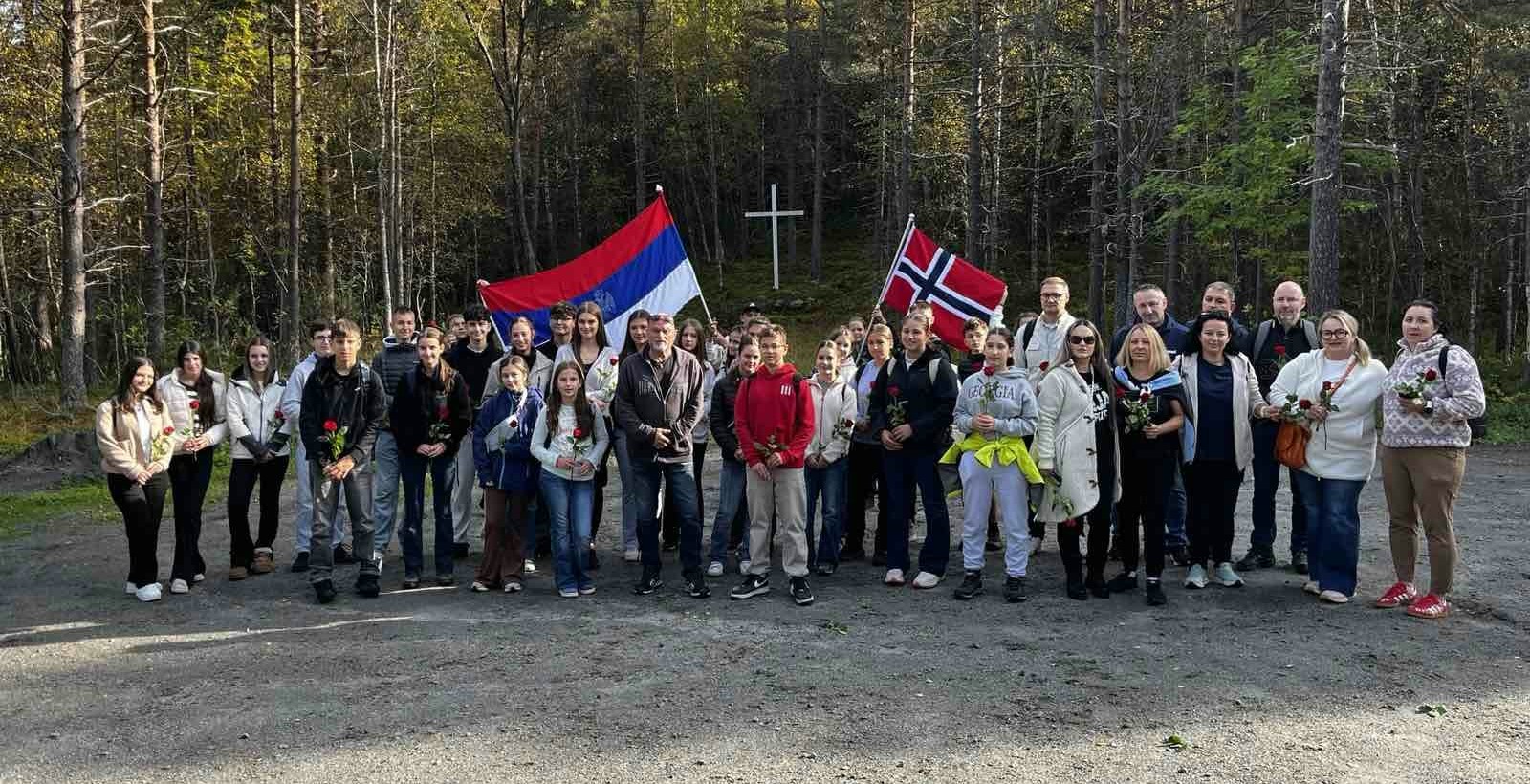
The most moving moments took place in Botn, where the young people, carrying Serbian and Norwegian flags, quietly laid roses at the memorial plaques honouring the victims.
But Remembrance for the Future is about more than suffering. It is also a story of friendship between the two peoples: of Norwegians who helped Serbian internees in the darkest of times, and of today’s generations, who have a duty to preserve this shared heritage.
The organisers hope to involve Norwegian children in the programme in the future and to make the sites of Serbian suffering a more visible part of Norway’s culture of remembrance. In this way, the story of the past can also become a foundation for new ties between Serbia and Norway.
The project is co-financed by its lead organiser, the Federation of Serbian Associations in Norway, eight Serbian associations, and the Directorate for Cooperation with the Diaspora and Serbs in the Region. It is supported by the Serbian Orthodox Church in Norway, the Embassy of the Republic of Serbia in Oslo, Serbian-language supplementary schools in Norway, parents and private sponsors.
Together, these efforts have shown how remembrance can become something far greater than a look back at the past. When a young Serb raised in Norway stands at a site where his compatriots suffered, carrying the Norwegian flag alongside the Serbian one, the past becomes a bridge between two peoples and two countries.
The most powerful remembrance is not simply what we preserve, but what we pass on to the next generation.