
Norwegian media on the visit of Serbian pupils to the Bloody Road Museum
Text and photographs: Ronald Nystad-Rusaanes, curator of the Bloody Road Museum
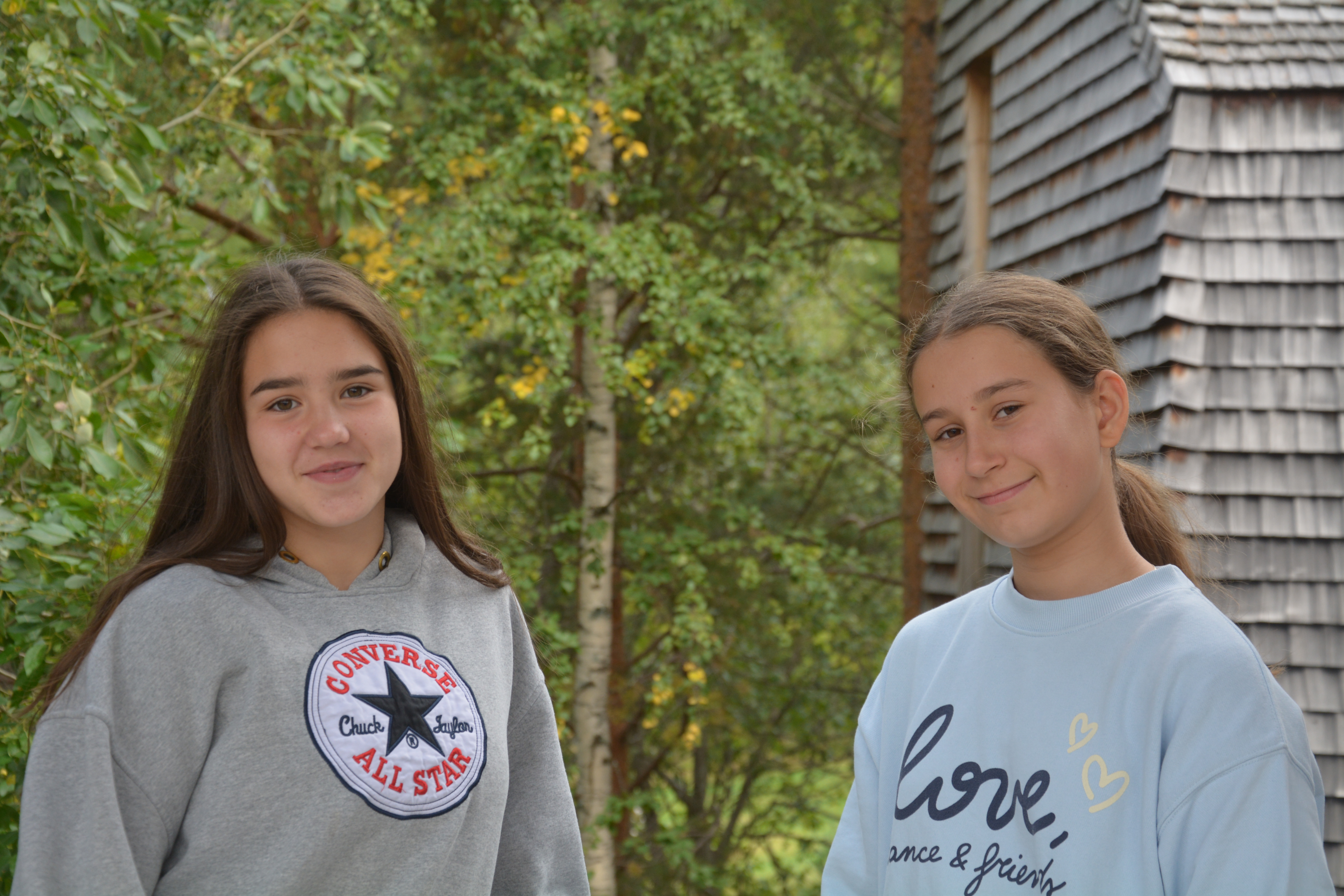
Teodora Djolić and Tamara Dikić are two girls from a group of 50 pupils who visited the war cemetery in Botn and the Bloody Road Museum from 12 to 14 September 2025, as part of the project “Remembrance for the Future.”
The project was funded by the Directorate for Cooperation with the Diaspora of the Ministry of Foreign Affairs of the Republic of Serbia, the parishes of the Serbian Orthodox Church in Norway, and Serbian associations in Norway.
“On one of the gravestones in Botn, we found the name Stanojević, a surname that was familiar to us,” say Tamara and Teodora.
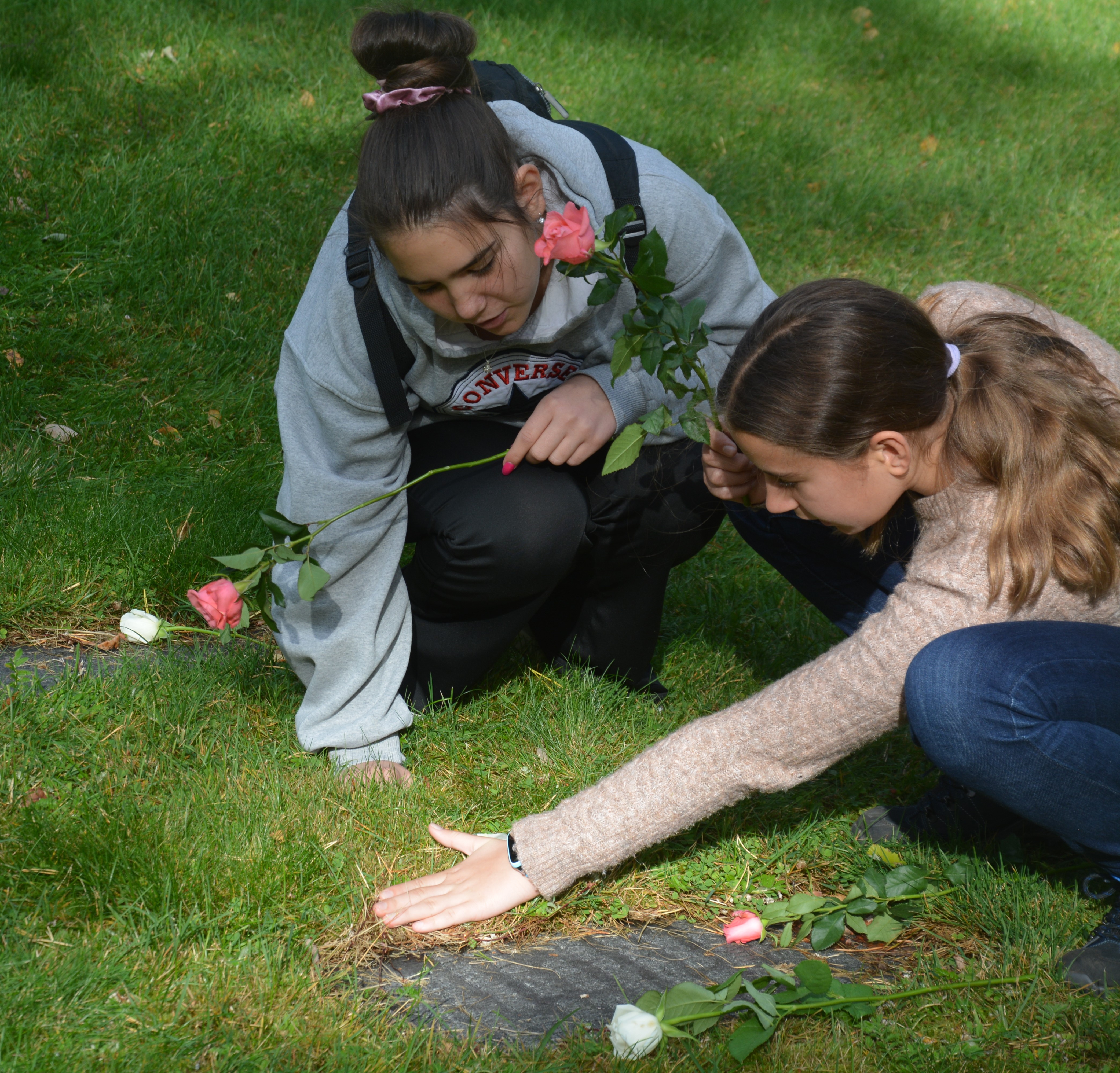
Tamara Dikić (12) is from Arendal, while Teodora Djolić attends Kleppe Lower Secondary School in Rogaland. Every Saturday, they attend Serbian language supplementary schools in Kristiansand and Stavanger. For the girls, it was a weekend filled with powerful impressions.
“In Saltdal, we learned more about Serbian prisoners who were held here during the Second World War. The places we visited and the lectures we attended strengthened our Serbian–Norwegian identity, and we also made new friends.”
Meeting witnesses of the time
The Serbian pupils who took part in the visit to Saltdal live in eight different locations across Norway. On Saturday, 13 September, the group visited the war cemetery in Botn, where they heard the testimonies of eyewitnesses from that time - Magnhild Martinussen and Tore Bentsen.
“It was very special to meet Magnhild and Tore and to hear their stories about events from which children should be protected,” say Tamara and Teodora.
Later that Saturday, at the Bloody Road Museum, the young visitors were guided by Knut Fluvik Turesen, President of the Bloody Road Memorial Culture Foundation, who published a book on Serbian prisoners in 2024.
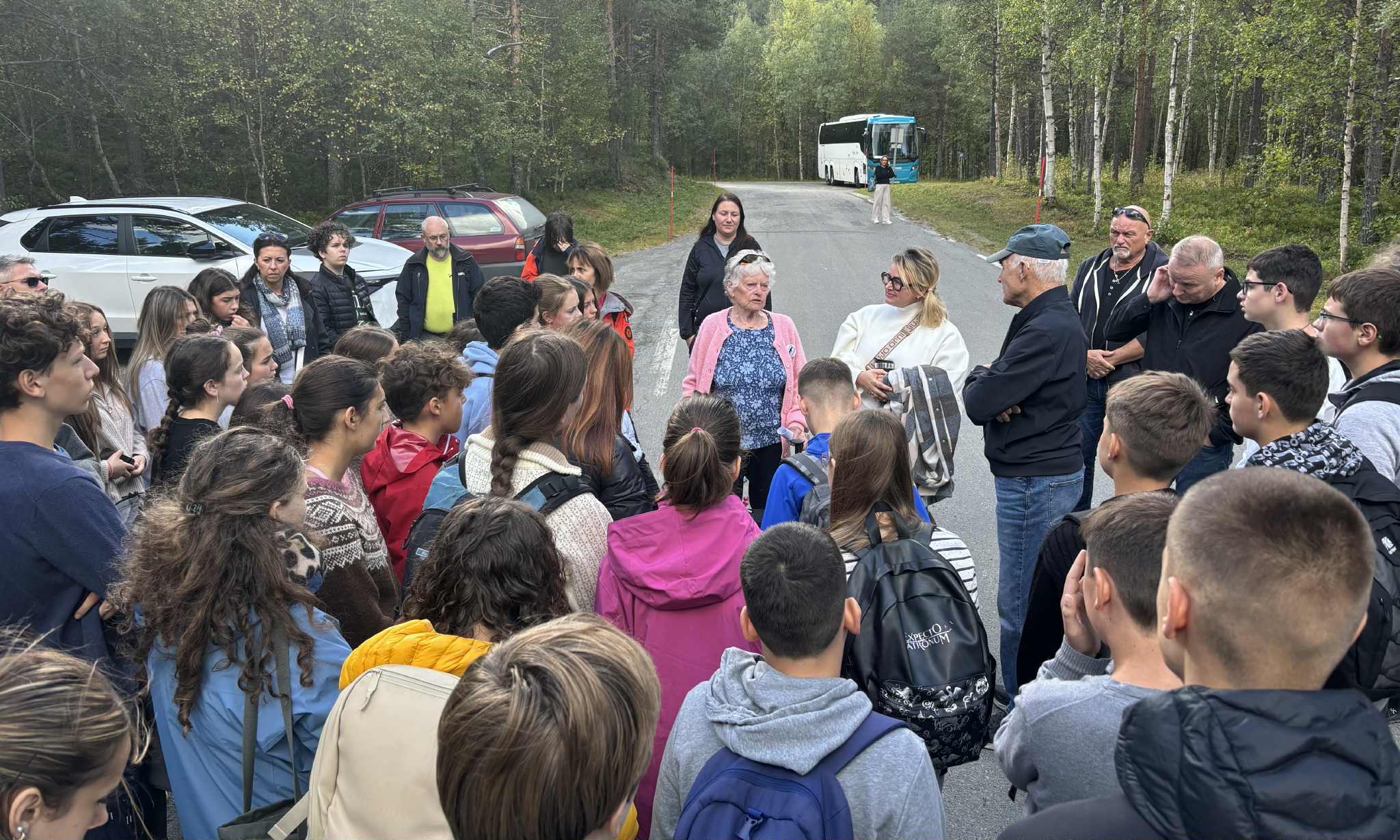
“It is important to me that young Serbs living in Norway learn about this part of history. The Second World War was brutal in the Balkans, and all Serbs were affected by that war,” says Knut.
A presentation by local historian Ulf Bakke at the Yugoslav cemetery brought history vividly to life. The Blood Cross on the road to Rognan and the Bloody Road Museum are also important sites for preserving the memory of the prisoners. Saturday concluded with a visit to the Bloody Road Museum and the museum founded by Ulf Bakke at the Nesby quay, as part of Saltdal’s local history.
National Park Centre
On Sunday, the young participants visited the Nordland National Park Centre. In Stjørdal, they attended lectures, nature quizzes, watched films about national parks, and took part in moments of reflection.
Jelena Vasiljević, organizer of the project “Remembrance for the Future,” spoke of the strong engagement throughout the weekend in Saltdal. Vasiljević hopes that “Remembrance for the Future” will become a regular activity for future generations of Serbian pupils in Norway.