
WITH THE CURATOR OF THE BLOOD ROAD MUSEUM DISCUSSING THE CULTURE OF REMEMBRANCE OF SERBS IN THE CAMPS OF OCCUPIED NORWAY
In a detailed presentation of the Blood Road Museum’s exhibition, the suffering of our compatriots was documented, highlighting that, according to official Norwegian records, a total of 4,049 internees from the territory of the former Yugoslavia—most of them Serbs—were brought to forced labour camps throughout occupied Norway.
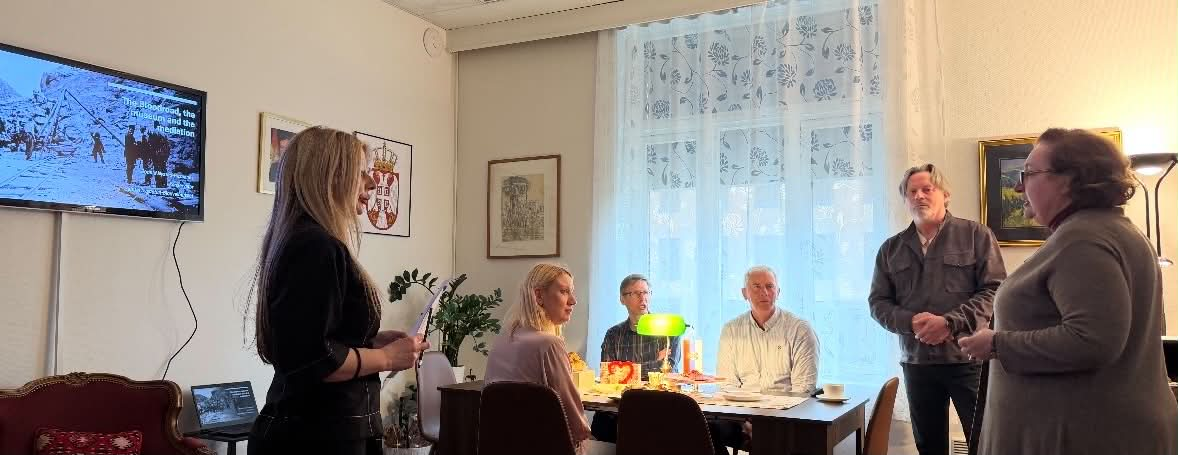
Particular emphasis was placed on examples of solidarity shown by Norwegians toward our compatriots during those difficult times, representing one of the brightest chapters in the long history of relations between our two nations, which will mark an important jubilee next year – the 110th anniversary of the establishment of diplomatic relations.
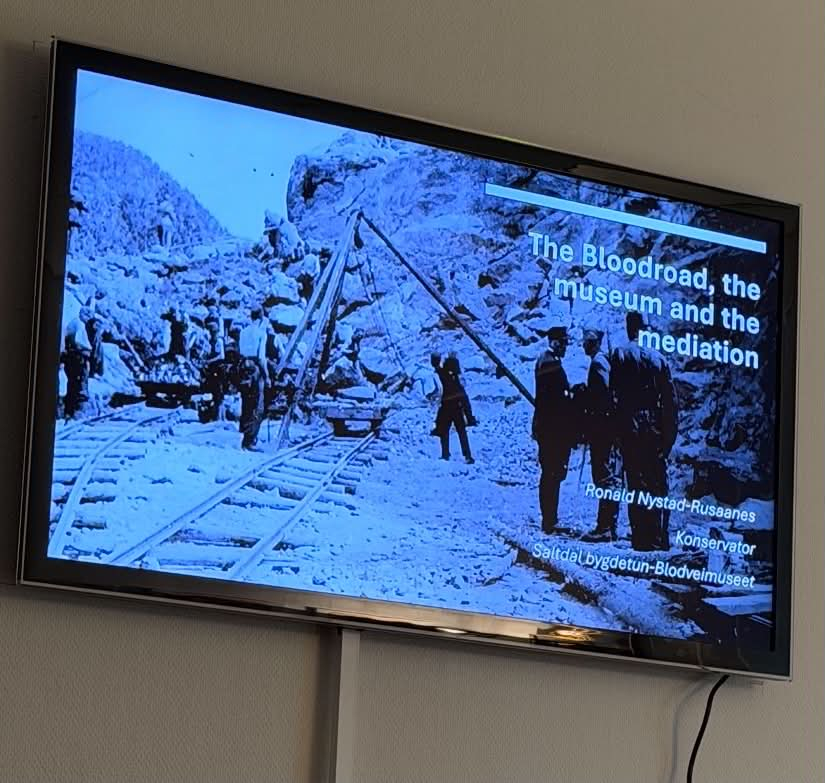
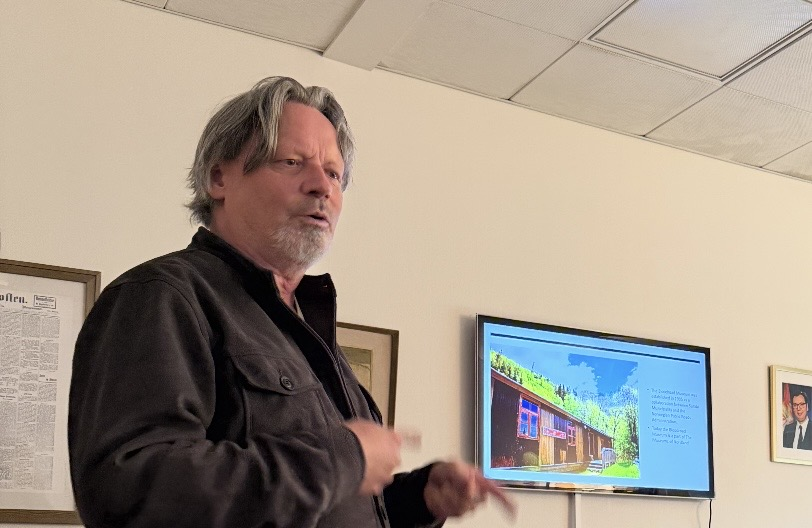
The Embassy conveyed its deep appreciation to Ronald Nystad Rusanes, Curator of the Blood Road Museum, for his dedicated work on this important historical subject. There was full agreement that the historical facts surrounding this great tragedy deserve greater attention both in Serbia and Norway, as well as continued vigilance against any attempts to revise or distort the historical truth.
The meeting concluded with an agreement to continue the cooperation and further coordinate joint activities in the period ahead.
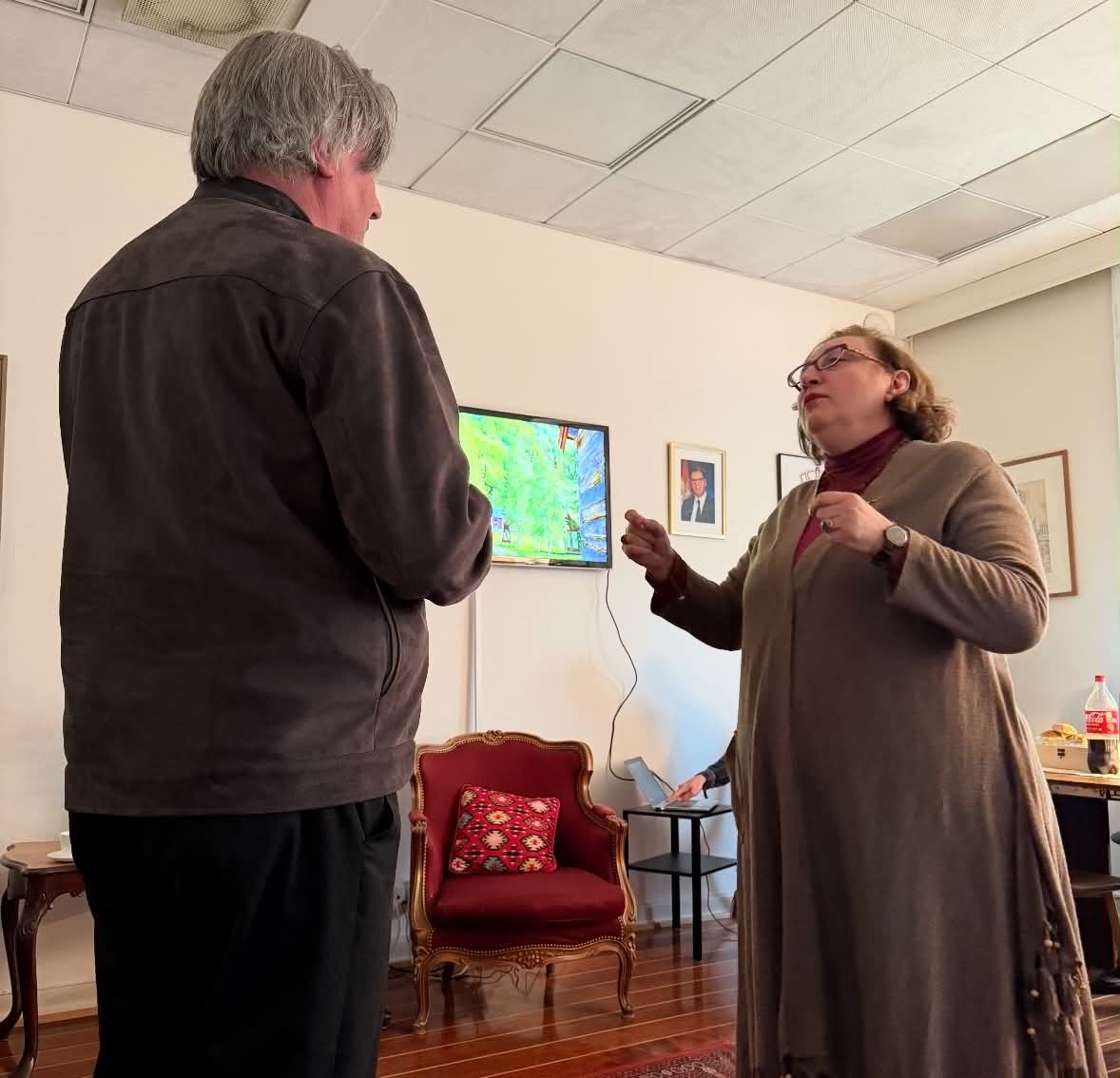
The presentation was also attended by Marina Đurović Anđić of the Labour Movement Archive and Library in Oslo (ARBARK), who has for many years been dedicated to researching and shedding light on the shared history of Serbs and Norwegians.